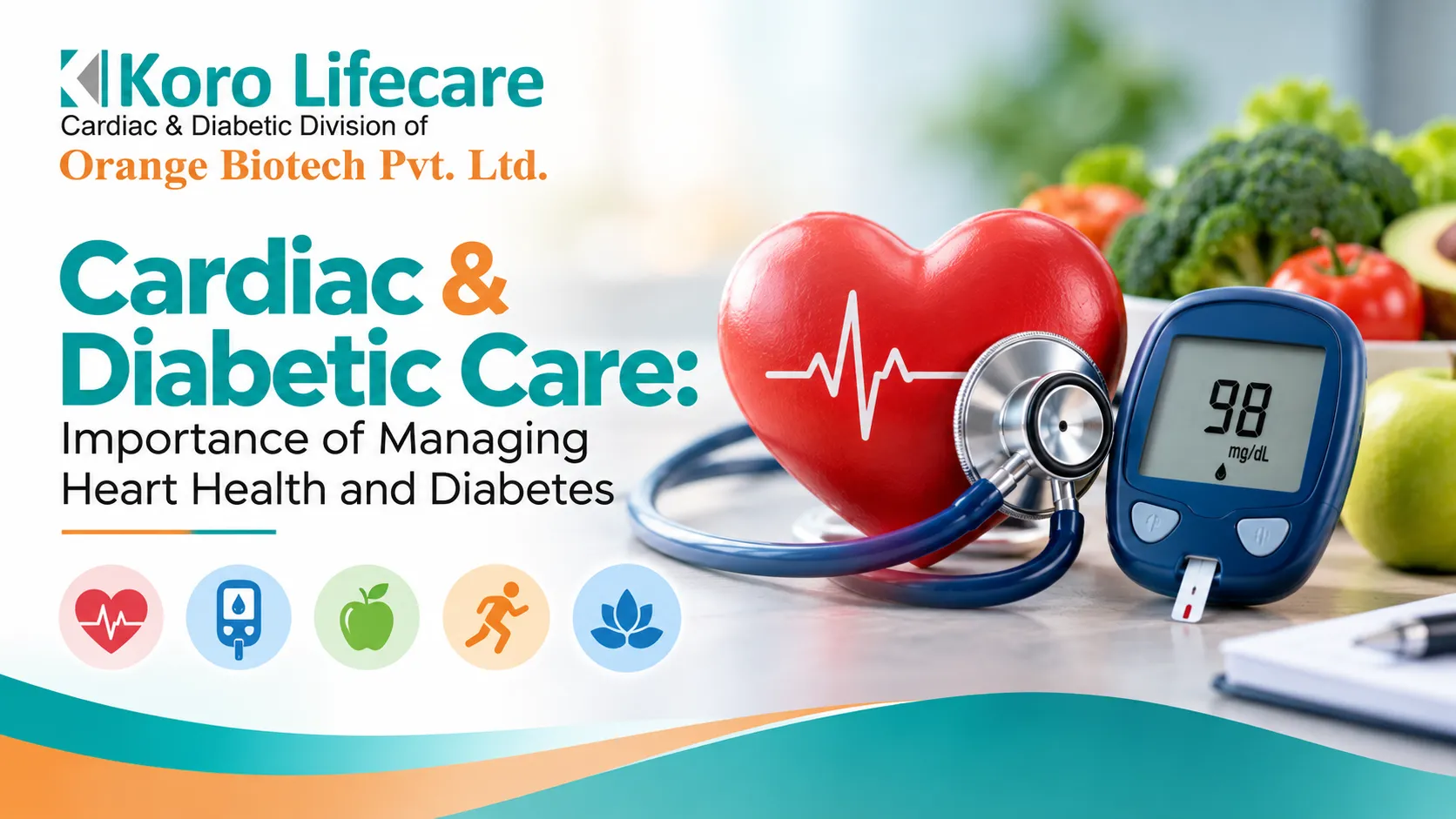

Maintaining good health becomes increasingly important when managing chronic conditions such as diabetes and cardiovascular disease. Cardiac and Diabetic Care involves a combination of medical supervision, healthy lifestyle habits, and preventive measures that help individuals protect their overall well-being.
Heart disease and diabetes often share common risk factors, including obesity, physical inactivity, high blood pressure, and unhealthy dietary patterns. Addressing these factors through a structured healthcare approach can support better long-term outcomes.
The Connection Between Diabetes and Cardiovascular Health
Diabetes affects the body's ability to regulate blood glucose levels, while cardiovascular diseases affect the heart and blood vessels. Although these are different medical conditions, they are closely linked.
Individuals with diabetes may develop cardiovascular complications due to blood vessel damage, abnormal cholesterol levels, or elevated blood pressure. Managing blood sugar alone may not be sufficient to protect heart health.
A comprehensive cardiac and diabetic care plan should consider blood glucose, blood pressure, cholesterol, physical activity, and other individual risk factors.
Common Risk Factors for Heart Disease and Diabetes
Understanding common risk factors is an important step toward improving health awareness.
High Blood Pressure
Elevated blood pressure places additional strain on the heart and blood vessels. Regular monitoring and appropriate treatment can help reduce cardiovascular risk.
Unhealthy Eating Habits
Frequent consumption of highly processed foods, excess sodium, and foods high in saturated fats can contribute to cardiovascular risk and make diabetes management more difficult.
Physical Inactivity
Limited physical activity can negatively affect cardiovascular fitness, weight management, and insulin sensitivity.
Obesity and Excess Body Weight
Excess body weight, particularly around the abdomen, is associated with increased risks of type 2 diabetes and cardiovascular disease.
Smoking and Tobacco Use
Tobacco use damages blood vessels and significantly increases cardiovascular risk. Avoiding tobacco is an important preventive measure.
Effective Strategies for Cardiac and Diabetic Care
1. Follow a Heart-Healthy Diet
A nutritious diet can support cardiovascular health and help manage blood glucose. Focus on fiber-rich foods, vegetables, legumes, whole grains, and healthier sources of protein and fats.
Portion control and carbohydrate awareness can also help people with diabetes manage glucose levels.
2. Stay Physically Active
Regular physical activity helps improve cardiovascular fitness and insulin sensitivity. Walking, cycling, swimming, and other moderate activities may be beneficial depending on individual health conditions.
People with existing heart conditions or diabetes-related complications should seek professional advice before starting a new exercise routine.
3. Monitor Important Health Indicators
Routine monitoring helps patients and healthcare professionals evaluate disease management. Important indicators may include:
Blood glucose and HbA1c
Blood pressure
Cholesterol levels
Body weight
Kidney function
The frequency of testing should depend on individual medical needs.
4. Manage Stress and Sleep
Long-term stress and inadequate sleep can affect blood pressure, glucose regulation, and general well-being.
Maintaining a consistent sleep schedule and practicing suitable stress-management techniques may support better health.
5. Follow Medical Recommendations
Prescription medicines and individualized treatment plans are important for many people living with diabetes or cardiovascular disease.
Patients should follow their healthcare provider's instructions and attend scheduled appointments to assess treatment effectiveness.
Importance of Early Diagnosis and Regular Screening
Early detection plays an important role in preventing complications associated with diabetes and cardiovascular diseases.
Healthcare professionals may recommend blood glucose testing, HbA1c assessments, lipid profiles, blood pressure measurements, and other examinations depending on a person's symptoms, age, family history, and risk factors.
Regular screening can identify health concerns before severe complications develop, allowing appropriate treatment and preventive measures.
Building Long-Term Healthy Habits
Successful cardiac and diabetic care depends on consistency rather than temporary lifestyle changes.
Small daily improvements, such as eating balanced meals, staying physically active, avoiding tobacco, and attending medical appointments, can contribute to better long-term health.
Family support, patient education, and regular communication with healthcare professionals can also help individuals maintain effective health management routines.
Conclusion
Cardiac and Diabetic Care requires a balanced approach that combines medical guidance, preventive healthcare, and sustainable lifestyle habits. Understanding risk factors and taking appropriate preventive measures can help individuals manage chronic conditions more effectively.
With consistent monitoring, healthier choices, and professional support, people living with diabetes or cardiovascular conditions can work toward improved health and quality of life.